
Midlothian Homeowner’s Guide to Fall Termite Inspection and Treatment
As the leaves begin to turn vibrant shades of orange and red along Midlothian Turnpike and the air crispens over the Swift Creek Reservoir, Midlothian homeowners are shifting their focus to fall maintenance. We rake the leaves, clean the gutters, and prep our HVAC systems for the coming Virginia winter.
However, there is a silent threat lurking beneath the soil of our beautiful Chesterfield County neighborhoods. While many homeowners associate termites exclusively with the spring "swarming" season, fall is actually a critical time for termite activity in Central Virginia. As the ground cools, Eastern Subterranean termites—the most common species in our area—don’t disappear; they simply dig deeper and look for stable, warm environments. Unfortunately, that often means the crawl space or foundation of your home.
Why Midlothian is a Hotspot for Termite Activity
Midlothian is one of the most beautiful places to live in the Richmond metro area, but our geography and development style create a perfect storm for wood-destroying organisms.
The "Wooded Lot" Factor
Whether you live in the established, heavily wooded streets of Salisbury, the water-adjacent properties near Brandermill, or the newer developments in Hallsley, our community is defined by its proximity to nature. The very trees and rich, organic soil that make our neighborhoods beautiful are the natural habitat for termites. When land is cleared for new construction, the termites that lived in those trees don't leave; they simply look for the next available cellulose source—your home’s framing.
Soil Moisture and the Reservoir
Proximity to the Swift Creek Reservoir and the various creeks that run through neighborhoods like Woodlake means our water table is often high. Subterranean termites require high moisture levels to survive. The damp soil common in Midlothian yards provides the perfect highway for these pests to build mud tubes from the earth up into your floor joists.
The Fall Shift: What Termites are Doing Right Now
In September and October, pests are looking for a place to overwinter. While termites don't "hibernate" in the traditional sense, their metabolism slows down, and they seek out areas where temperatures remain consistent.
The heating systems we turn on in late October create a thermal beacon. A heated crawl space or a warm concrete slab acts as a magnet. Because termites work 24/7, 365 days a year, the damage they do in the fall and winter can be significant because homeowners are less likely to be outside looking for signs of infestation.
Signs Midlothian Homeowners Should Look For This Fall
Detecting termites in the fall requires a keen eye, as you won't see the large clouds of winged swarmers common in April. Instead, look for these subtle clues:
- Mud Tubes on Foundations: These look like small pencils made of dried mud running vertically up your foundation or along interior crawl space walls.
- Stuck Windows or Doors: As termites consume the structural wood of your home, the frames can shift slightly, causing windows to stick—a symptom often blamed on "fall humidity."
- Hollow-Sounding Wood: Tap on baseboards or exposed beams in the garage. If they sound hollow or the wood gives way easily, you may have an internal infestation.
- Frass: While more common with drywood termites (which are rarer here), keep an eye out for small piles of what looks like sawdust near wooden structures.
DIY Fall Prevention Tips for Your Property
While you cannot "DIY" a termite infestation away, you can make your property significantly less attractive to them. Spire Pest Control recommends these three steps for every Midlothian resident this season:
1. Manage Your Mulch
We all love a fresh layer of mulch for fall curb appeal, but mulch is essentially a "welcome mat" for termites. Ensure mulch is at least six inches away from your wooden siding or door frames. Never let mulch bridge the gap between the soil and your siding.
2. Divert Water Away from the Foundation
Check your gutters. If leaves from your oak trees are clogging your downspouts, water will pool at the base of your home. This saturated soil is an open invitation for termites. Ensure downspouts discharge at least 3 to 5 feet away from the house.
3. Clear Dead Wood
If you’ve spent the weekend clearing brush or cutting firewood for your fireplace in Charter Colony, store that wood at least 20 feet away from the house and elevated off the ground. Dead stumps should also be ground down and removed, as they act as "starter colonies" for termites.
When to Call the Professionals
There is a major difference between preventing termites and treating them. Because termites live deep underground and within the walls, retail sprays and baits are rarely effective at reaching the queen and eliminating the colony.
If you see a mud tube or damaged wood, it is time to stop the DIY efforts. A professional inspection is necessary to determine the extent of the activity. Modern professional treatments, such as liquid barriers or advanced baiting systems, are designed to work with the termites' natural social behavior to collapse the entire colony.
At Spire Pest Control, we understand the specific construction styles of Richmond-area homes, from the historic renovations in old Midlothian to the modern builds near Watkins Centre. We use localized knowledge to identify high-risk entry points that general national chains might miss.
The Importance of a Fall Inspection
Most homeowners wait until they see a problem to call for an inspection. However, a proactive fall inspection can save thousands of dollars in repair costs. By identifying activity in November, you can stop a colony before it has another six months to eat through your structural supports during the quiet winter months.
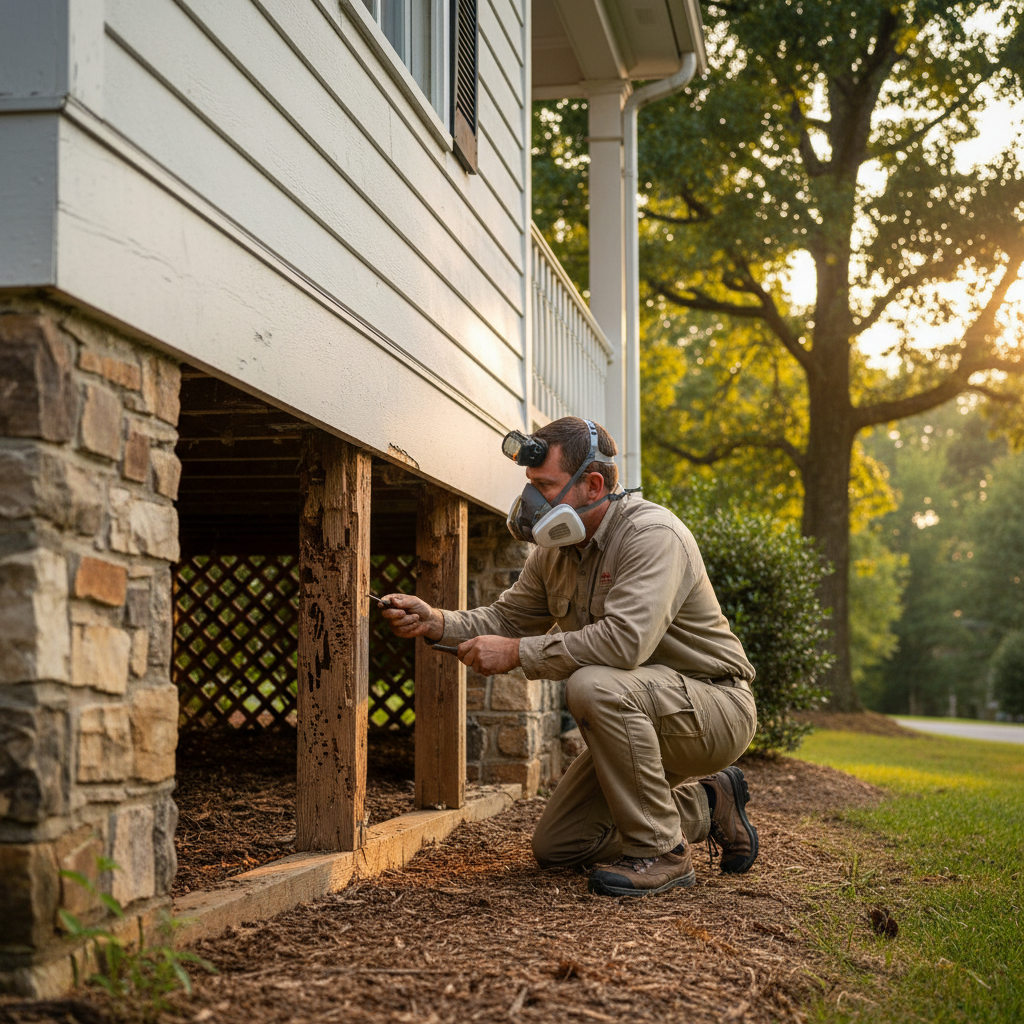
A professional inspection involves checking:
- Crawl space moisture levels and wood moisture content.
- The integrity of the sill plate (the wooden piece that sits directly on your foundation).
- Points where porches, decks, or steps attach to the main structure.
- Any earth-to-wood contact points around the perimeter.
Protect Your Investment with Spire Pest Control
Your home is likely your largest investment. In Midlothian, where property values continue to rise, protecting that investment from wood-destroying insects is just as important as your homeowner's insurance policy—especially since most insurance policies do not cover termite damage.
Spire Pest Control offers comprehensive termite solutions tailored to the Central Virginia climate. Whether you are looking for a preventative barrier or need an active infestation eliminated, our team provides the local expertise you need to keep your home safe.
Don't wait for the spring swarms to realize you have a problem. Contact Spire Pest Control today for a free termite estimate and ensure your Midlothian home is protected all winter long.