
Midlothian Homeowner’s Guide to Spring Crawl Space Moisture and Mold
As the dogwoods and azaleas begin to bloom across Midlothian, from the historic streets of Midlothian Mines Park to the newer developments in Hallsley and Magnolia Green, spring in Central Virginia brings more than just allergies. It brings a significant surge in humidity and groundwater levels that can wreak havoc on your home’s foundation.
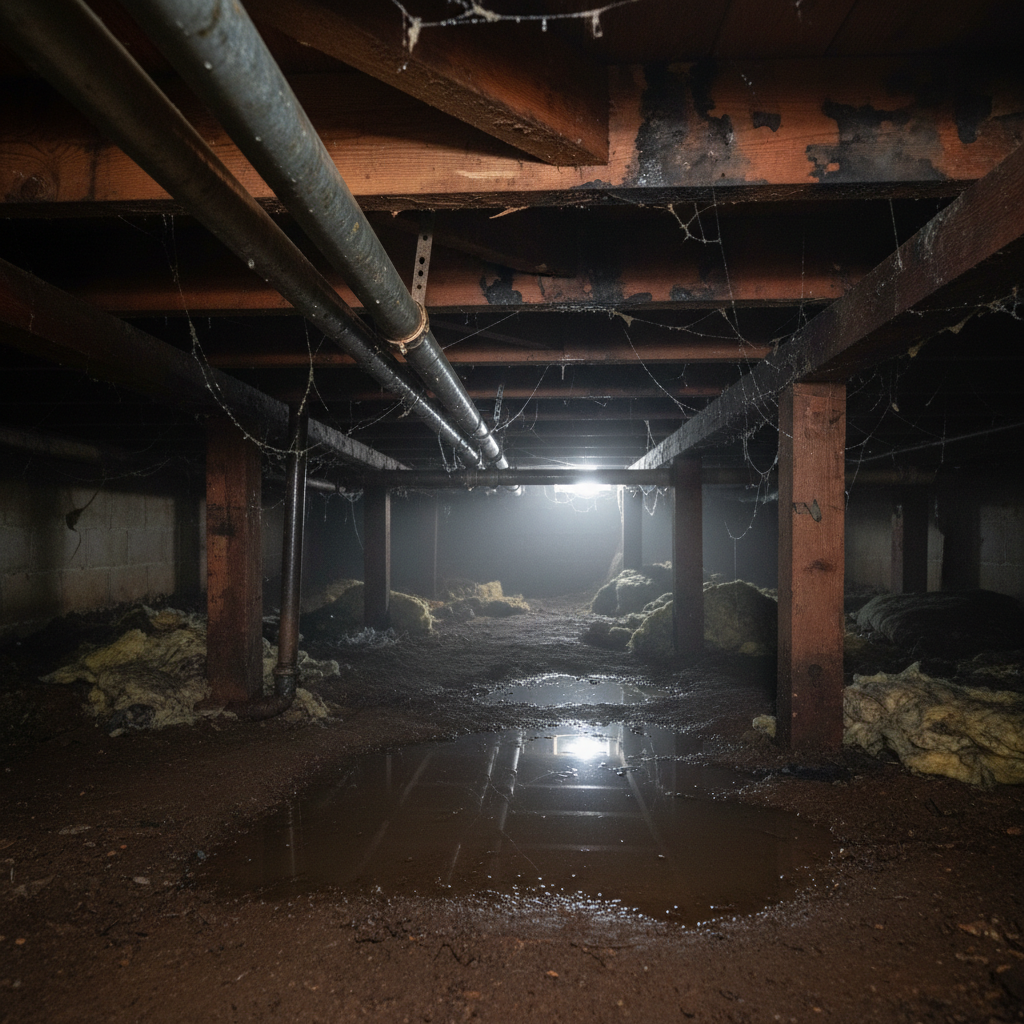
For many homeowners in the Richmond metro area, the crawl space is a "set it and forget it" area. However, during the months of March, April, and May, this dark, recessed space becomes the frontline in the battle against mold, wood rot, and opportunistic pests.
In this guide, we will explore why Midlothian homes are particularly susceptible to moisture issues and how you can protect your property this spring.
Why Midlothian Springtime is Hard on Crawl Spaces
Midlothian sits in a unique geographic position. We deal with the heavy clay soils common to the Piedmont region, which are notorious for retaining water. When the spring rains hit, this clay creates a "bathtub effect" around your foundation. Instead of draining away, water sits against your masonry, slowly seeping into your crawl space.
Furthermore, the "Richmond Humidity" isn't just a summer phenomenon. As temperatures rise in the spring, the air carries more moisture. When that warm, moist air enters a cool crawl space through traditional foundation vents, it hits its dew point and condenses into liquid water on your floor joists and insulation. This is why many homes in neighborhoods like Brandermill or Woodlake often struggle with musty odors as soon as the weather warms up.
The Hidden Connection: Moisture, Mold, and Pests
At Spire Pest Control, we often tell homeowners that moisture management is the first step in pest management. A damp crawl space is a biological neon sign for some of Virginia’s most destructive pests:
- Termites: Subterranean termites require moisture to survive. A damp crawl space provides the perfect environment for them to build mud tubes and begin tunneling into your home's structure.
- Carpenter Ants: Unlike termites, they don't eat the wood, but they love to nest in softened, water-damaged timber.
- Cockroaches and Silverfish: These "moisture pests" thrive in the 70%+ humidity levels often found in Midlothian crawl spaces during May.
- Mold and Fungi: While not "pests" in the animal sense, mold spores can compromise your indoor air quality and slowly digest the cellulose in your wooden support beams.
Signs Your Midlothian Crawl Space is in Trouble
Before you start your spring cleaning, take a walk around the exterior and interior of your home. Look for these red flags:
- The "Musty" Smell: If your living room smells like a damp basement every time the AC starts running, you likely have mold growth beneath your feet.
- Buckling Floorboards: In many older homes near the Village of Midlothian, moisture from the crawl space can cause hardwood floors to "cup" or warp.
- Condensation on Ductwork: Visible water droplets on your HVAC vents in the crawl space are a sign that the humidity is far too high.
- Standing Water: Check your crawl space 24 hours after a heavy spring thunderstorm. If you see puddles, your drainage system or sump pump is failing.
DIY Maintenance Tips for Spring
While major remediation often requires professional help, there are several things Midlothian homeowners can do right now to mitigate moisture:
1. Clean Your Gutters and Extend Downspouts
The sandy-clay soil in our area can wash away easily. Ensure your downspouts discharge water at least 6 to 10 feet away from your foundation. This is the simplest and most effective way to keep your crawl space dry.
2. Monitor Interior Humidity
Buy a cheap hygrometer from a local hardware store in Westchester Commons and place it in your crawl space. If the humidity level consistently stays above 60%, you are in the "mold growth zone."
3. Clear Debris from Vents
Ensure that mulch, leaves, and landscaping (like boxwoods) aren't blocking your foundation vents. While "vented" crawl spaces are becoming less popular than encapsulated ones, if you have vents, they must have airflow to function.
4. Inspect Your Vapor Barrier
Standard building code requires a 6-mil plastic vapor barrier. Over time, these can shift or tear. Ensure your plastic covers 100% of the ground to prevent "earth moisture" from evaporating into your floor joists.
When to Call the Professionals
While DIY steps are great for prevention, certain issues require the specialized equipment used by Spire Pest Control. You should seek professional help if:
- You see visible mold: Cleaning mold in a cramped crawl space is hazardous without proper PPE and antimicrobial treatments.
- The wood is "soft": If you can press a screwdriver into your floor joists, you have wood rot that may require structural reinforcement.
- Existing Pest Infestations: If moisture has already attracted termites or powderpost beetles, DIY sprays will not reach the heart of the colony.
- Constant Standing Water: You may need a professional grade sump pump or a French drain system installed to combat the Midlothian water table.
The Modern Solution: Crawl Space Encapsulation
For many homeowners in the Richmond metro area, the ultimate solution to humidity is encapsulation. This involves sealing the vents, installing a heavy-duty 12-20 mil vapor barrier that goes up the walls, and adding a dedicated dehumidifier.
This process transforms your crawl space from a damp, buggy cavern into a clean, conditioned space that mirrors the environment of your home. Not only does this stop mold in its tracks, but it also makes your home significantly less attractive to pests and can even lower your cooling bills during those sweltering Virginia summers.
Protect Your Investment This Spring
Your home is likely your largest investment. In a beautiful community like Midlothian, maintaining that investment means looking beneath the surface. Don't let the spring rains turn your crawl space into a breeding ground for mold and wood-destroying insects.
At Spire Pest Control, we specialize in the unique challenges facing Richmond area homes. We understand the local climate, the specific pest pressures of our region, and how to create a dry, healthy environment for your family.
Is your crawl space ready for a wet Virginia spring? Contact Spire Pest Control today for a professional inspection and free estimate. Let’s make sure your home stays dry, healthy, and pest-free all year long.