
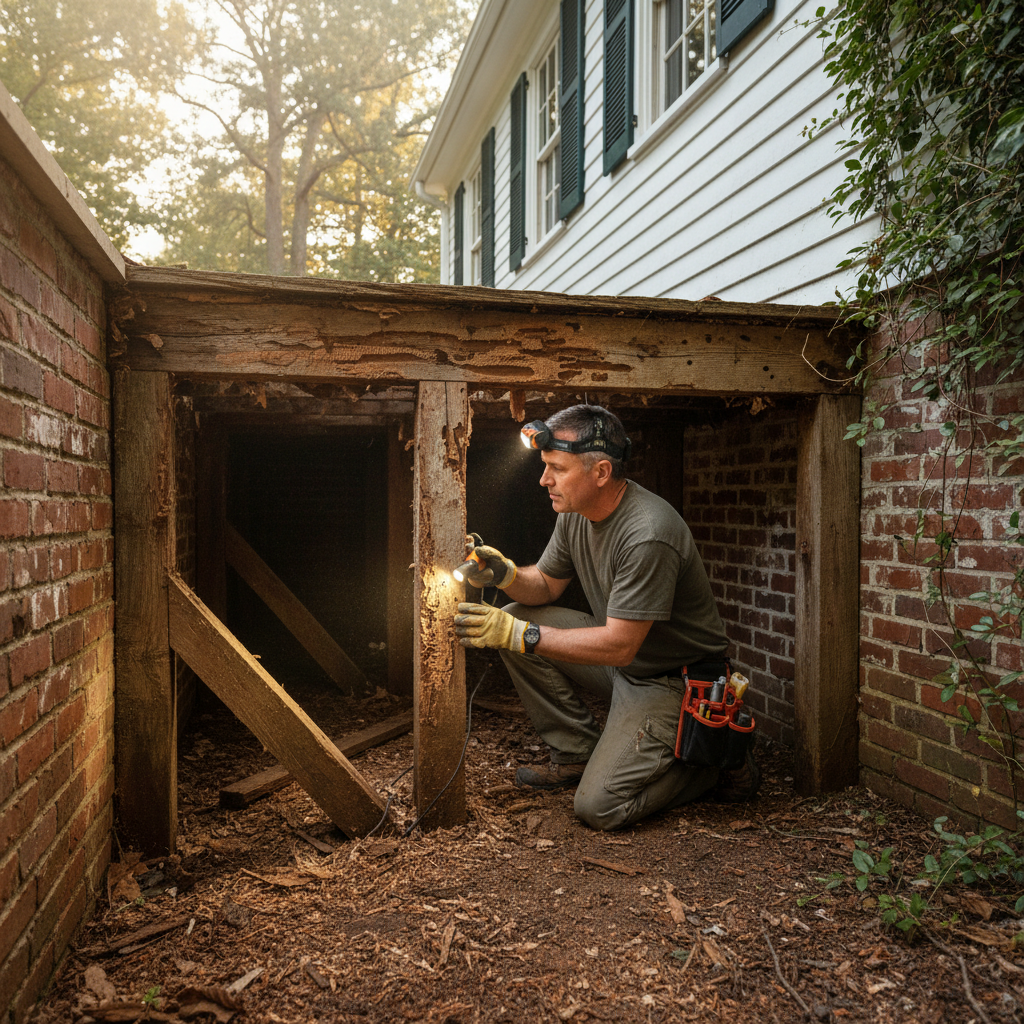
Bon Air Homeowner’s Guide to Summer Termite Inspection & Treatment
As the humidity rises and the summer sun beats down on the lush, wooded hills of Bon Air, Virginia, local homeowners aren't the only ones enjoying the warmth. Between the historic Victorians near the old Bon Air Hotel site and the sprawling ranch-style homes tucked away in neighborhoods like Woodmont and Oxford, a silent threat is currently at its peak activity level: Subterranean termites.
While many residents associate termites specifically with the "swarming" season in the spring, the summer months (June through August) represent a period of high-intensity foraging and colony expansion. In the Richmond metro area, our clay-heavy soil and high humidity provide the perfect breeding ground for these wood-destroying insects.
In this guide, we will explore why Bon Air is particularly susceptible to termite activity and how you can protect your investment before the damage becomes a financial nightmare.
Why Bon Air Homes Are at High Risk This Summer
Bon Air is unique among Richmond suburbs. Established in the late 19th century as a resort getaway, the area is characterized by its mature tree canopy and rolling topography. While this provides a beautiful "good air" atmosphere (the literal meaning of Bon Air), it also presents specific challenges for pest control.
The Influence of Mature Landscaping
Many properties near Buford Road or the Huguenot Flatwater area are surrounded by decades-old oaks and maples. These trees provide shade and beauty, but as they age, their root systems can provide "interstates" for termite colonies. Subterranean termites—the most common species in Virginia—live in the soil and travel through underground tunnels to find wood sources. Old stumps and buried construction debris are common in our long-established neighborhoods, acting as magnets for hungry colonies.
Humidity and the "Richmond Heat"
Virginia’s summer humidity is legendary. In Bon Air, where many homes feature crawl spaces or older foundations, this moisture often traps itself underneath the house. Termites require high moisture levels to survive; without it, they dry out and die. The sticky June-to-August stretch provides the ideal environment for them to venture further from their underground nests and higher into your home’s structural timber.
Signs of Summer Termite Activity in Bon Air
Because termites often eat wood from the inside out, you might not see them until the damage is significant. However, savvy homeowners can spot these red flags during a weekend walk-around:
- Mud Tubes: These are pencil-sized tunnels made of dirt and saliva found on foundation walls, piers, or floor joists. They act as protected highways for termites moving from the soil into your wood.
- Discarded Wings: If you see small, translucent wings piled on window sills or near light fixtures, it indicates a swarm occurred nearby. While most swarming happens in spring, secondary swarms or late bloomers can appear in early summer.
- Hollow-Sounding Wood: Tap on baseboards or structural beams. If they sound hollow or "papery," it’s a sign that the interior has been excavated.
- Stuck Windows and Doors: As termites consume wood and introduce moisture, the wood can swell, making your doors and windows suddenly difficult to open or close.
DIY Prevention Tips for the Summer Months
While a full-blown infestation requires professional intervention, there are several steps you can take right now to make your Bon Air property less attractive to pests.
1. Manage Moisture Around the Foundation
Check your gutters and downspouts. Mid-summer thunderstorms can dump inches of rain in minutes. Ensure your downspouts are diverting water at least 3 to 5 feet away from your foundation. Standing water near your home’s perimeter is an invitation for termites to move in.
2. Mind Your Mulch
We all want our gardens to look pristine, but piling mulch directly against your home’s siding or wooden trim creates a moisture bridge. Keep a 6-inch gap between your mulch beds and the wooden elements of your house. If possible, use pine needles or crushed stone near the foundation instead of wood-based mulch.
3. Remove "Cellulose" Contacts
Termites eat cellulose (the main component of wood). If you have firewood stacked against the garage, or old wooden fence posts leaning against the house, you are essentially providing a buffet. Move firewood at least 20 feet away from the home and elevate it off the ground.
When to Call a Professional for Termite Treatment
There is a significant difference between prevention and remediation. If you find active mud tubes or structural damage, DIY sprays from a big-box store will rarely reach the heart of the colony. This is where expertise matters.
At Spire Pest Control, we understand the specific construction styles of Richmond-area homes. Whether you have a historic home in the Bon Air historical district or a modern build near Midlothian Turnpike, the treatment approach must be customized.
Why Professional Inspection Matters
A professional technician can access areas that most homeowners miss, such as the dark corners of a damp crawl space or the interior of a brick-void foundation. Because termites are elusive, a trained eye is necessary to determine the extent of the colony.
Modern Treatment Options
Treatment has come a long way from the invasive methods of the past. Today, professionals generally use two main strategies:
- Liquid Soil Barriers: Creating a continuous chemical barrier in the soil around your home to prevent termites from entering.
- Baiting Systems: Strategically placed stations that termites find, consume, and share with the rest of the colony, eventually eliminating the entire queen-led population.
The team at Spire Pest Control can help determine which method is right for your specific soil type and home structure, ensuring long-term protection rather than a temporary "band-aid" fix.
Protecting Your Bon Air Investment
Your home is likely your most valuable asset. In the Richmond metro area, termite damage can go unnoticed for years, costing homeowners thousands of dollars in structural repairs that are rarely covered by standard homeowners' insurance.
By staying proactive during these peak summer months, you can enjoy the shade of Bon Air’s beautiful trees without worrying about what’s crawling beneath them. Regular inspections are the only way to ensure peace of mind. Spire Pest Control offers comprehensive solutions tailored to the Bon Air community, focusing on both immediate colony elimination and long-term preventative maintenance.
Start Your Summer with Peace of Mind
Don't wait for your floorboards to sag or your walls to show signs of damage. If you suspect termite activity or simply haven't had an inspection in the last year, now is the time to act.
Contact Spire Pest Control today for a free estimate and a professional termite inspection. Our local experts are ready to help you protect your Bon Air home from the ground up.