
Bon Air Homeowners: Why Crawl Space Encapsulation is Vital This Fall
As the leaves begin to turn vibrant shades of amber and gold along Buford Road and the air turns crisp in the historic neighborhoods of Bon Air, Virginia, homeowners are shifting their focus to winterization. We rake the leaves, clean the gutters, and prep our gardens for the first frost. However, there is one area of the home that is often overlooked until it becomes a major problem: the crawl space.
In the Richmond metro area, and specifically in the lush, wooded pockets of Bon Air, fall isn’t just a season of beauty—it’s a season of transition for pests and moisture. As temperatures drop, the humid air trapped under your home can lead to wood rot and attract unwanted guests looking for a warm place to overwinter.
The Unique Moisture Challenges of Bon Air, Virginia
Bon Air is known for its rolling hills, mature tree canopies, and beautiful older homes. While this geography makes it one of the most desirable suburbs in Chesterfield County, it also presents specific challenges for moisture control.
Many homes in neighborhoods near the James River or around Bon Air Elementary are built on clay-heavy soils. Unlike sandy soils that drain quickly, Richmond’s red clay holds onto water long after a heavy fall rain. This moisture lingers around your foundation and, without proper protection, seeps into your crawl space through a process called "capillary rise."
Furthermore, our local humidity levels remain surprisingly high well into October. When warm, moist air enters the cooler environment of a vented crawl space, it reaches the "dew point," resulting in condensation on your floor joists and insulation. This creates a playground for mold, fungi, and wood-destroying organisms.
Why Fall is the Critical Window for Moisture Control
In September and October, pests like mice, cockroaches, and the dreaded subterranean termite are actively seeking shelter from the impending cold. A damp crawl space is a five-star hotel for these invaders.
- Termite Attraction: Subterranean termites require moisture to survive. A damp crawl space provides the perfect environment for them to build mud tubes and begin silent destruction on your home’s structure.
- Rodent Infiltration: Mice and rats seek warmth. Soft, damp insulation is the perfect nesting material. Once they are under your house, it’s only a short trip through a pipe gap into your kitchen.
- Indoor Air Quality: In the fall, we start running our heaters. Because of the "stack effect," air from your crawl space is pulled upward into your living areas. If your crawl space is moldy, your family is breathing that air.
The Solution: Crawl Space Encapsulation Explained
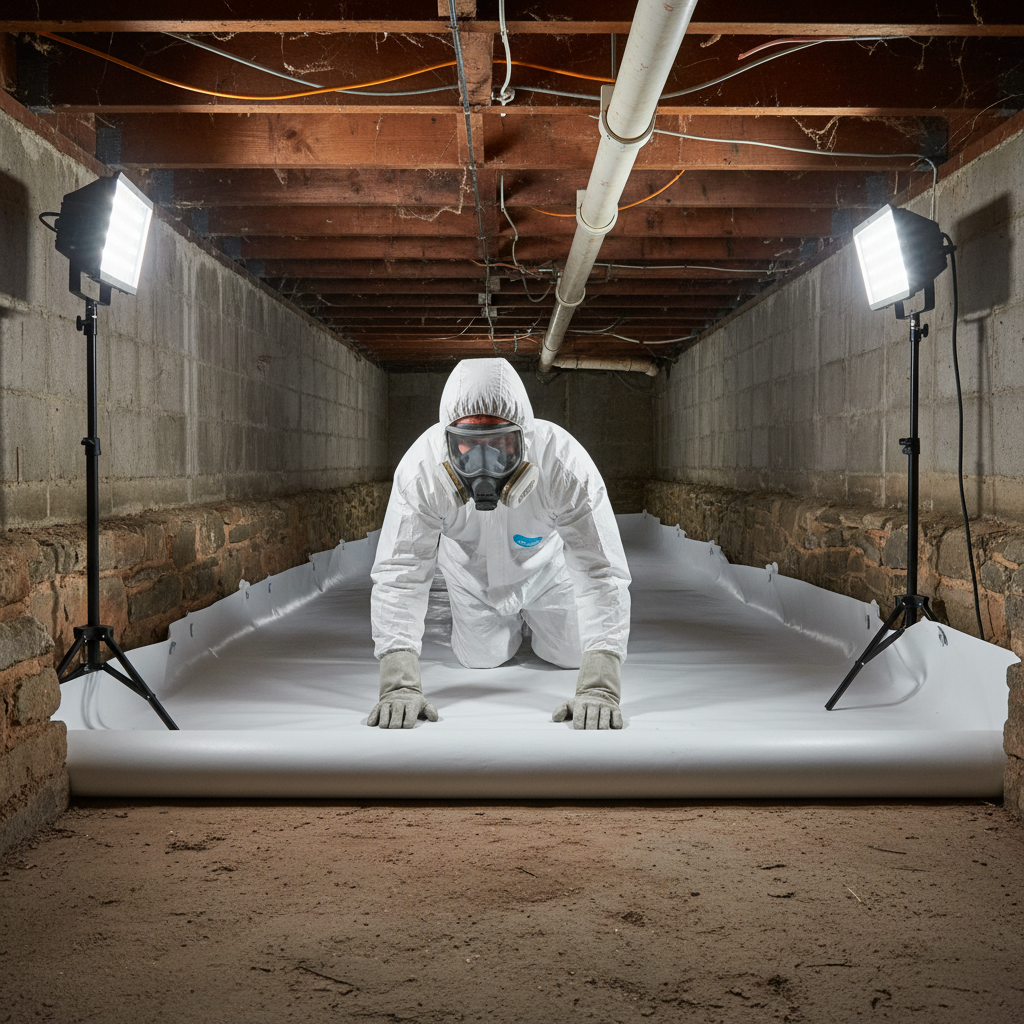
Crawl space encapsulation is the process of completely sealing your home's foundation from the earth and the outside elements. It goes far beyond a simple plastic sheet on the ground.
The Components of a Sealed System:
- Heavy-Duty Vapor Barrier: A thick, reinforced polyethylene liner (usually 12-mil to 20-mil) is installed across the floor and run up the foundation walls.
- Sealed Vents: Unlike traditional thinking that suggests crawl spaces need to "breathe," modern building science proves that sealing vents prevents humid air from entering.
- Dehumidification: A commercial-grade dehumidifier is installed to maintain a consistent relative humidity (usually below 55%).
- Insulation Upgrades: Removing old, sodden fiberglass batts and replacing them with rigid foam board on the walls.
By transforming your crawl space into a dry, conditioned environment, you effectively remove the "welcome mat" for pests. This is where Spire Pest Control experts often see the biggest difference in long-term pest prevention; a dry home is a pest-free home.
DIY Moisture Control Tips for Bon Air Homeowners
Before you jump into a full encapsulation project, there are several things you can do this weekend to protect your home:
1. Check Your Gutters and Downspouts
In Bon Air, our massive oak and maple trees fill gutters fast. Ensure your downspouts extend at least 6 to 10 feet away from your foundation. Water pooling against the house is the #1 cause of crawl space moisture.
2. Inspect the Grading
Walk around your home during a rainstorm. Does water flow away from the house, or does it settle against the brick? You may need to add topsoil to create a positive slope away from the foundation.
3. Clear Debris
Remove piles of firewood, mulch, or dead leaves from against your foundation. These act as "bridges" for pests like carpenter ants and termites to bypass your home's exterior defenses.
4. Monitor Humidity
Buy a cheap hygrometer from a local hardware store and place it in your crawl space. If the reading is consistently above 60% relative humidity, you have a moisture problem that needs professional intervention.
When to Call the Professionals
While DIY maintenance is great, crawl space encapsulation is a technical job that requires specialized equipment. You should contact a professional if:
- You smell a "musty" odor: This is a sign of active mold growth.
- You see standing water: This may indicate a drainage issue or a high water table that requires a sump pump.
- Your floors feel soft or bouncy: This is a sign of structural wood rot.
- You see pest activity: If you notice droppings, wood shavings, or insect wings near your crawl space entrance, the moisture has already drawn them in.
At Spire Pest Control, we understand the specific construction styles of Richmond-area homes. We don't just kill the bugs; we address the environmental factors—like moisture—that brought them there in the first place.
The Long-Term Benefits of Encapsulation
Investing in moisture control this fall provides benefits that last all year:
- Lower Energy Bills: A sealed crawl space acts as a thermal buffer, meaning your HVAC doesn't have to work as hard to heat your home in the winter.
- Structural Integrity: Protecting your wood joists from rot saves you thousands in potential repairs.
- Increased Property Value: In the competitive Richmond real estate market, a dry, encapsulated crawl space is a major selling point.
- Pest Prevention: By removing the water source, you make your home significantly less attractive to termites, silverfish, and spiders.
Protect Your Bon Air Home This Season
Don't wait until the first deep freeze of December to realize your crawl space is a damp, pest-ridden mess. Taking action now, while the weather is mild, is the best way to ensure your home remains healthy and secure throughout the winter.
Whether you live in a charming cape cod near Larus Park or a modern build in a newer subdivision, your foundation is the most important part of your home. Keeping it dry is the key to a pest-free life.
Ready to protect your home?
Contact Spire Pest Control today for a comprehensive crawl space inspection. Our team specializes in identifying moisture issues and providing local Bon Air homeowners with effective, long-term solutions.
Call us today for a free estimate and breathe easier knowing your home is protected from the ground up.